Introduction
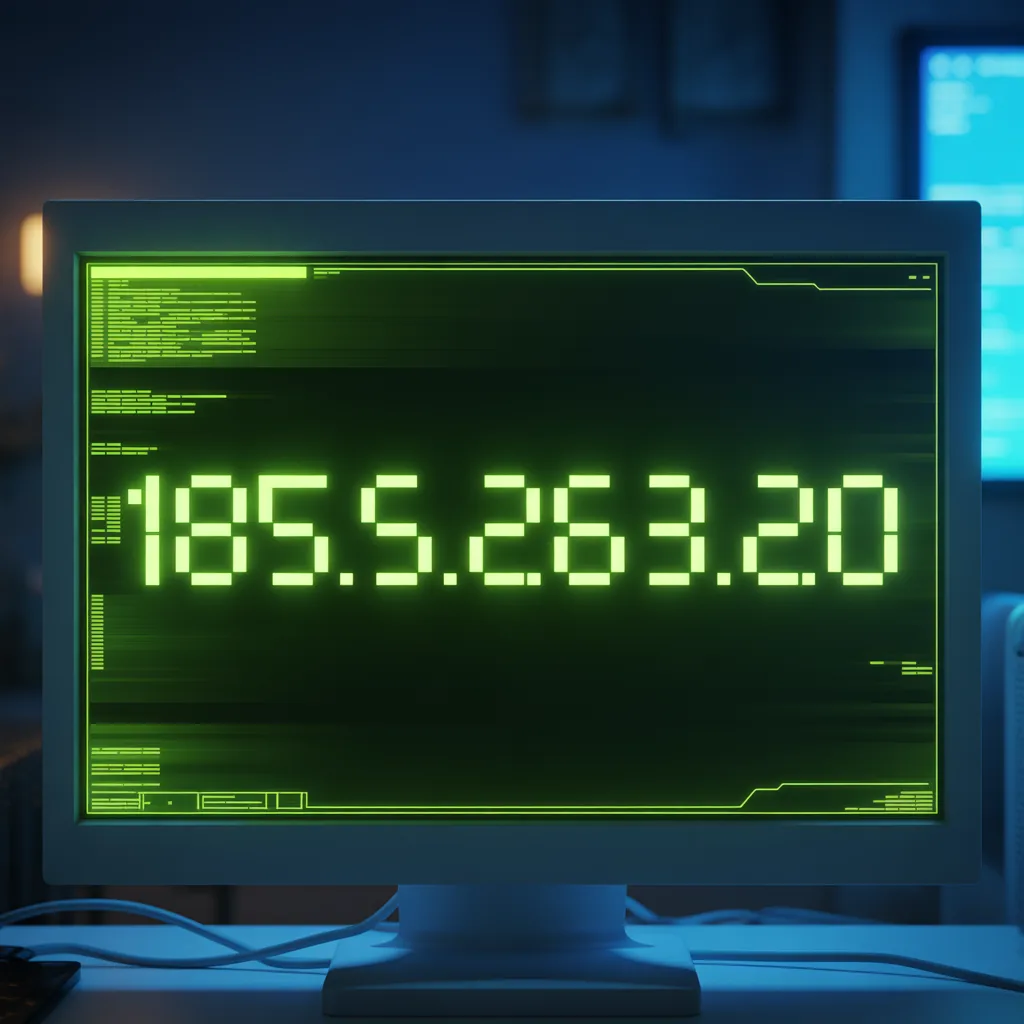
If you are looking at network logs or firewall alerts and come across 185.63.263.20, it can be confusing. You might be wondering if it’s a legitimate address, a security threat, or simply an error. IP addresses like this one are meant to help computers communicate online, but sometimes they appear in ways that don’t make sense.
In this guide, we will examine everything about 185.63.263.20. I’ll explain why this IP looks unusual, how to identify whether an IP is valid, and what steps you can take if you see unknown addresses in your system. By the end, you will understand not only the technical side but also the safety considerations for dealing with strange IPs.
What Is 185.63.263.20?
An IP address serves as a digital address for a device on the internet. It tells other computers where to send information. In IPv4, an IP address has four sections, each ranging from 0 to 255.
Here is why 185.63.263.20 is unusual:
- The third segment,
263, exceeds the maximum allowed number of 255. - This means it is not a valid IPv4 address.
- If you see it in logs, it could be a typo, a misconfigured system, or a placeholder for testing.
Even though it looks like an IP, technically, it doesn’t exist.
How IP Addresses Work
To understand why this IP is invalid, you need to know the basics of IP addresses.
IPv4 vs IPv6
- IPv4: Uses four numbers separated by dots. Each number is 0–255.
- IPv6: Uses a longer alphanumeric format and allows far more addresses.
Since 185.63.263.20 is meant to be IPv4, the 263 makes it impossible to exist.
Static vs Dynamic IPs
- Static IPs remain the same. They are often used by servers.
- Dynamic IPs change over time and are assigned by ISPs.
Why Do Invalid IPs Appear?
Seeing an IP like 185.63.263.20 does not always mean something malicious. Common reasons include:
- Typos in network reports or manual entries
- Software errors or misconfigurations
- Testing placeholders in systems or scripts
- VPNs or proxies that alter IP reporting
Understanding these reasons helps reduce panic when strange IPs appear.
Could 185.63.263.20 Be Dangerous?
Even though it is invalid, it is good to stay cautious. Here’s why:
- Hackers sometimes spoof IP addresses to hide their true location.
- Malware or suspicious software can cause logs to show fake IPs.
- Repeated requests from unusual addresses can indicate scanning or automated attacks.
Tips to Stay Safe
- Monitor traffic patterns on your network.
- Keep firewalls and antivirus programs up to date.
- Avoid clicking unknown links or downloading files from suspicious sources.
How to Investigate Unknown IPs
If you see strange IP addresses in your system, follow these steps:
- Check IP Format – Ensure each segment is 0–255.
- Use Whois Lookup – Identify registrant or hosting provider.
- Check Location – Use IP location tools to see approximate origin.
- Scan for Malware – Run antivirus and antimalware scans.
- Block if Necessary – Use firewall rules for persistent suspicious activity.
These steps give you control without overreacting.
What Categories Do IPs Usually Fall Into?
While 185.63.263.20 is invalid, most valid IPs fall into categories such as:
- Residential IPs – Assigned to home users by ISPs.
- Data Center IPs – Used by servers and hosting companies.
- VPN/Proxy IPs – Mask the real location of users.
- Malicious IPs – Blacklisted for spam, hacking, or phishing.
This context helps you understand the potential role of an IP in your network.
Common Questions About IPs
Q1: Can 185.63.263.20 be real?
No, the number 263 exceeds IPv4 limits.
Q2: Why does it appear in my logs?
It could be a typo, software error, or testing placeholder.
Q3: Should I worry about hackers?
Not necessarily. Treat it with caution, but it is not a valid IP.
Q4: Can hackers spoof IPs?
Yes. Spoofed IPs hide their real location.
Q5: How to check an IP’s validity?
Use online IP validators or Whois lookup tools.
Q6: Are all unknown IPs dangerous?
No. Many are harmless or misreported.
Q7: Can invalid IPs indicate malware?
Sometimes, yes. Suspicious logs may result from infected software.
Q8: Should I block invalid IPs?
Blocking won’t harm your network, but monitor for repeated occurrences.
Conclusion
185.63.263.20 is technically invalid, meaning it cannot exist in the IPv4 system. Most likely, it appears due to a typo, software error, or testing placeholder. Understanding IP addresses and monitoring your network helps you respond appropriately to strange entries.
Next time you encounter an unknown IP, check its format, validate it, and investigate cautiously. Do you monitor your network logs regularly? Sharing how you handle suspicious IPs can help others improve their cybersecurity too.